The modern Greek language is one of the oldest living languages in the world, still spoken and evolving today. For new learners, Greek may seem challenging at first because of its unique alphabet and unfamiliar sounds. However, with the right approach, Modern Greek is logical, expressive, and highly rewarding to learn.
Spoken by over 13 million people, mainly in Greece and Cyprus, Modern Greek opens the door to a rich culture, deep history, and exciting professional and travel opportunities. In this guide, you’ll discover what Modern Greek is, how it works, and why it’s worth learning—whether you’re a beginner, a traveler, or a lifelong language enthusiast.
The modern Greek language refers to the form of Greek spoken today, officially known as Demotic Greek. It developed from Ancient and Medieval Greek and became the standard language of Greece in the late 20th century.
Native speakers: ~13 million
Countries: Greece, Cyprus, Greek communities worldwide
Writing system: Greek alphabet
Language family: Indo-European
Official status: Greece & Cyprus
Unlike Ancient Greek, Modern Greek is practical, simplified, and designed for everyday communication. While historical texts may feel complex, spoken and written Modern Greek follows clear patterns that beginners can learn step by step.
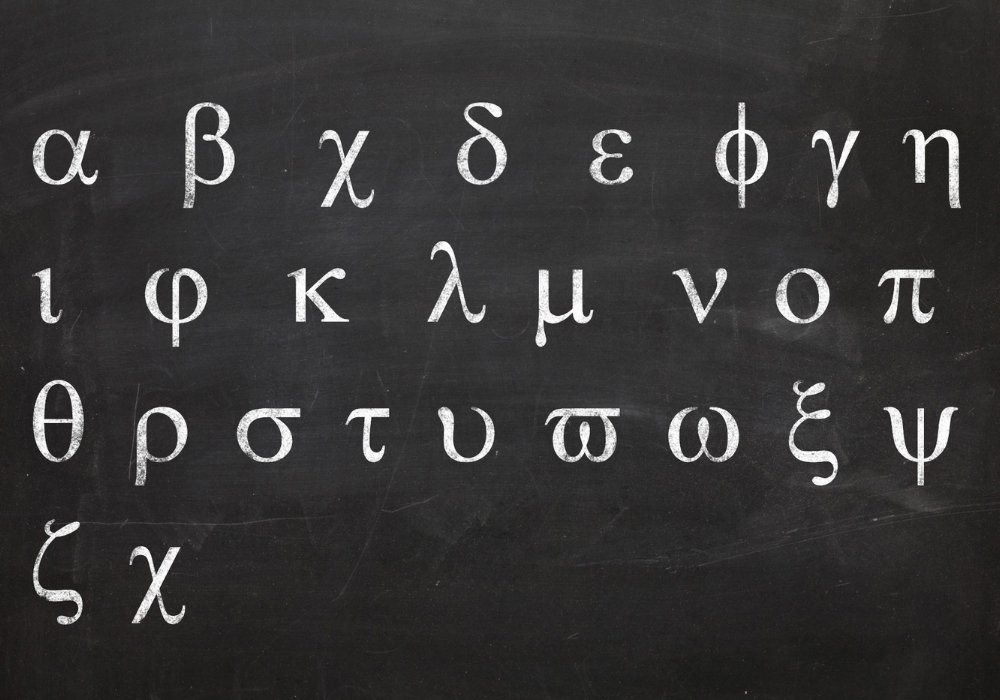
One of the most noticeable features of the modern Greek language is its alphabet. It uses 24 letters, many of which inspired the Latin alphabet used in English.
Letters are phonetic (mostly pronounced the same way every time)
Reading becomes faster once you know the sounds
Many letters look familiar (Α, Β, Κ, Μ, Ν)
Tip for beginners: Learn the alphabet early. It makes pronunciation, reading, and spelling much easier later on.
📘 You can explore alphabet charts and pronunciation examples through trusted resources like this learning platform from Transparent Language:
https://www.transparent.com/learn-greek/
Greek pronunciation is consistent and learner-friendly. Once you learn the sounds, you can pronounce almost any word correctly.
5 vowel sounds (similar to Spanish vowels)
Stress marks show where emphasis goes
No silent letters in most words
Clear consonant combinations
🔊 Example:
Καλημέρα (Kaliméra) – Good morning
Ευχαριστώ (Efharistó) – Thank you
The modern Greek language usually follows Subject–Verb–Object, similar to English. However, word order can change for emphasis.
Example:
Εγώ μαθαίνω ελληνικά.
(I am learning Greek.)
Greek nouns have:
Three genders: masculine, feminine, neuter
Cases: nominative, genitive, accusative, vocative
Don’t worry—most beginners focus on the most common forms first.
Greek verbs:
Change endings depending on subject
Use clear tense markers
Follow predictable conjugation patterns
Common tenses for beginners:
Present
Past
Future
For a detailed grammar reference, learners often consult Omniglot’s Modern Greek overview:
https://www.omniglot.com/language/modern_greek.htm
Learning the modern Greek language offers more than just communication skills—it connects you to a global culture.
🏛️ Cultural access to history, philosophy, and literature
✈️ Travel confidence in Greece and Cyprus
💼 Career advantages in tourism, education, and international business
🧠 Brain training through a new writing system
Greek is also a gateway language—many English words come from Greek roots, making vocabulary learning easier over time.
The modern Greek language is suitable for all ages and backgrounds.
Complete beginners
Travelers to Greece
Students interested in European languages
Families learning together
Professionals relocating or working with Greek partners
If you’re an adult learner looking for structured lessons, you can explore professional programs at Lingua Learn Greece’s adult Greek courses:
https://lingua-learn.gr/adults/greek/
For families, Lingua Learn also offers engaging Greek programs designed especially for children:
https://lingua-learn.gr/kids/greek-kids/

Here are beginner-friendly strategies that work:
Focus on greetings, daily phrases, and basic conversations.
It boosts confidence and reading skills.
Even 15 minutes daily makes a difference.
A guided program keeps you motivated and consistent.
Watch Greek videos, listen to music, and read short texts.
✔️ Solution: Learn letter sounds, not names.
✔️ Solution: Focus on patterns, not memorization.
✔️ Solution: Speak early and often—even with mistakes.
With the right support, these challenges become stepping stones.
No. While the alphabet is new for many learners, grammar and pronunciation are consistent and beginner-friendly.
Basic conversation is possible in 3–6 months with regular practice.
No. Modern Greek is simpler and used in daily life, while Ancient Greek is mainly academic.
Yes. Children often learn pronunciation faster and benefit from interactive lessons.
A structured course with native-speaking teachers is the most effective option.
The modern Greek language is a beautiful, logical, and rewarding language for learners of all ages. From its phonetic alphabet to its expressive grammar, Greek offers a unique learning experience that connects language, culture, and history.
Whether you’re learning for travel, personal growth, or family education, the journey becomes easier with expert guidance and structured lessons.
Ready to take your first step?
Lingua Learn Greece offers professional, beginner-friendly Modern Greek courses for adults and children—taught by experienced instructors using proven methods.
👉 Explore Greek courses for adults:
https://lingua-learn.gr/adults/greek/
👉 Discover fun Greek lessons for kids:
https://lingua-learn.gr/kids/greek-kids/
Start learning the modern Greek language today—and open the door to a timeless culture. 🇬🇷📘
 English
  Greek
Greek