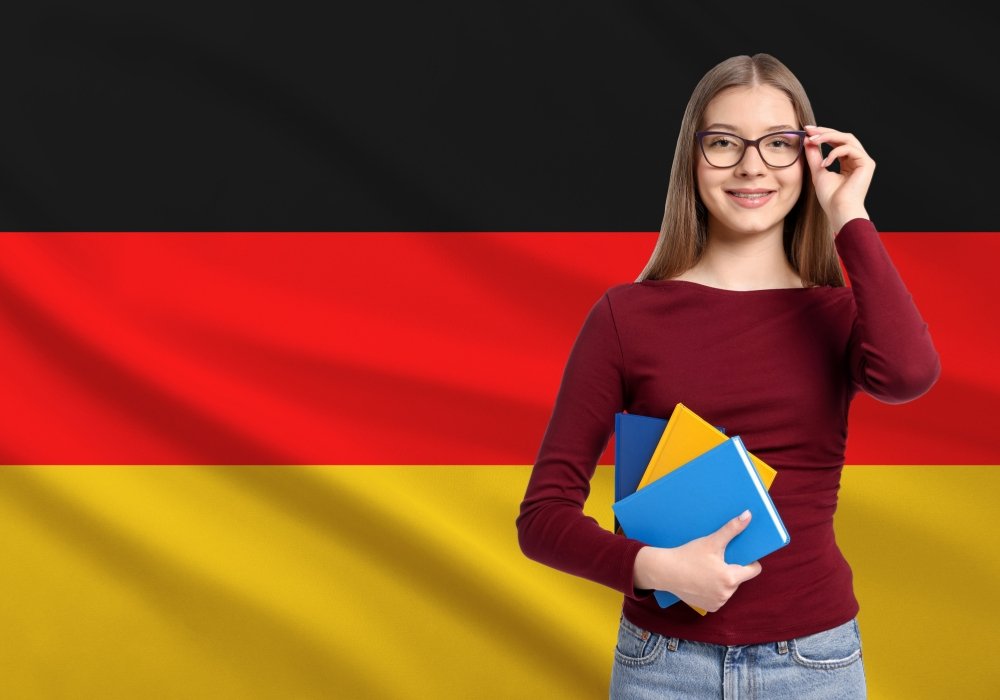
Learning a new language can feel intimidating at first, but starting German for beginners in Greece is much easier than you might think. Whether you are a student, a working professional, or simply curious about German culture, enrolling in a beginner German course can open new academic, career, and travel opportunities.
In this guide, we will walk you through exactly what to expect in your first German course in Greece — from lesson structure and teaching methods to language goals and practical benefits.
Germany is one of Europe’s strongest economies and a global leader in engineering, education, and business. Many Greeks choose to learn German for study, career growth, or relocation opportunities.
Taking German for beginners in Greece offers several advantages:
Research shows that learning a new language not only improves cognitive abilities but also enhances career opportunities and social skills (ScienceDirect, 2025), making it a valuable investment for beginners.
If you’re just starting out, a beginner course gives you the foundation you need to build confidence and real communication skills.
Most beginner courses follow the CEFR A1 level. This level is designed for learners with no prior German knowledge.
In your first German for beginners course, you will learn how to:
The goal is communication — not perfection.
A beginner German course focuses on real-life topics you can use immediately. Typical topics include:
Grammar is introduced gradually so beginners don’t feel overwhelmed.
German grammar may seem complex at first, but beginner courses simplify it step by step. You will start with:
Your instructor will explain grammar clearly and always connect it to practical use.

German for beginners in Greece is usually taught using a communicative approach. This means:
Courses often combine textbooks, audio materials, and digital resources.
When learning German for beginners in Greece, most students start noticing progress within the first few weeks. With regular practice and structured lessons, you’ll begin to feel more confident in understanding and using the language.
After completing an A1 beginner course, learners can usually:
Consistency matters more than speed. Practicing a little every day, reviewing vocabulary, and speaking with classmates or language partners will help you improve faster. Remember, every small step you take in German for beginners in Greece brings you closer to becoming a confident German speaker.
German for beginners in Greece is ideal for:
No previous language experience is required.
Choosing the right language school is essential. A structured course with experienced instructors will help you progress confidently.
If you are looking for professional German courses, explore German language courses for adults that are designed specifically for beginners.
If you are also interested in learning other languages, you can explore alternative language courses to find the best fit for your goals.
Learning German for beginners in Greece can be exciting but also challenging at times. Here are some practical tips to help you succeed and enjoy the process:
Remember, learning German for beginners in Greece is a journey, not a race. Enjoy each small victory, celebrate your progress, and stay motivated. With persistence and the right approach, you’ll build confidence and real communication skills faster than you expect.
Starting German for beginners in Greece is a smart investment in your future. With the right guidance, structured lessons, and consistent practice, you’ll gain confidence and practical language skills faster than you expect.
If you’re ready to begin, explore professional German courses for beginners in Greece designed for students, professionals, and adult learners. Not sure if German is the right choice yet? You can also discover a wide range of other language courses available in Greece and choose the language that best fits your goals.
Take the first step today and start your German learning journey with confidence.
 English
  Greek
Greek